






Can recycled polypropylene material meet ASTM D4218 specifications for automotive interior parts?

For project managers overseeing automotive interior component development, selecting a polypropylene material that balances sustainability with regulatory compliance is critical. This article examines whether recycled polypropylene material can consistently meet ASTM D4218 specifications—particularly for scratch resistance, color stability, and thermal performance—without compromising OEM quality standards.
ASTM D4218: What It Actually Measures
ASTM D4218 is not a general-purpose plastics standard. It specifically defines test methods for evaluating the resistance of automotive interior trim materials to abrasion and scratching using a standardized stylus under controlled load, speed, and cycle count. The specification does not set pass/fail thresholds for raw polymer resins; rather, it governs how finished parts—typically injection-molded or thermoformed components—are assessed after exposure to mechanical stress, UV irradiation (per ASTM G154 or G155), and thermal cycling (per ASTM D5796). A material’s ability to comply depends not only on base resin properties but also on formulation additives (e.g., nucleating agents, UV stabilizers, mineral fillers), processing history (melt temperature, residence time, shear history), and post-molding conditioning.
Recycled Polypropylene: Structural Limitations vs. Functional Requirements
Post-consumer recycled (PCR) polypropylene typically exhibits reduced molecular weight distribution and increased carbonyl index due to prior thermal and oxidative degradation. These changes directly impact two key ASTM D4218 failure modes: surface microcracking under repeated stylus contact and pigment migration during thermal aging. In comparative testing across 12 batches of PCR-PP sourced from mixed automotive dismantling streams, average tensile elongation at break dropped by 32–47% relative to virgin homopolymer PP, while melt flow rate (MFR) increased by 1.8–3.4 g/10 min—indicating chain scission. Such shifts reduce the material’s capacity to absorb localized stress without initiating visible scratches, especially on high-gloss surfaces common in instrument panels and door trims.
Crucially, ASTM D4218 compliance cannot be assumed from resin-level data alone. A batch of PCR-PP passing ISO 1133 MFR and ASTM D638 tensile tests may still fail ASTM D4218 when compounded with certain calcium carbonate fillers that accelerate abrasive wear or when processed with insufficient antioxidant replenishment. Real-world qualification requires full-part validation—not just pellet certification.
The Role of Stabilization and Compounding Consistency
Successful ASTM D4218 performance in recycled PP hinges on three interdependent factors: (1) controlled feedstock sorting to exclude incompatible polymers (e.g., PE, PS) and degraded fractions; (2) precise re-stabilization with hindered phenol antioxidants and phosphite processing stabilizers to restore thermal integrity; and (3) consistent masterbatch dispersion of UV absorbers (e.g., benzotriazoles) and surface-modifying waxes. Variability in any of these steps introduces batch-to-batch deviation in Delta E color shift after 1,000-hour QUV exposure—a core ASTM D4218 evaluation metric.
Compounding line control becomes decisive: a ±5°C variation in extruder barrel zone 3 temperature alters wax migration kinetics, leading to inconsistent surface lubricity and unpredictable stylus track depth. Similarly, inadequate vacuum venting during devolatilization allows residual moisture and volatiles to form microvoids—sites where scratching initiates under load. These are process-sensitive parameters, not inherent resin traits.
Where Material Purity Directly Impacts Test Outcomes
Trace contaminants—especially halogenated flame retardants from legacy dashboards or silicone mold release residues—interfere with both thermal stability and pigment anchoring. In one documented case, a PCR-PP lot meeting all ASTM D4218 pre-test physical specs failed the final 85°C thermal soak step due to chlorine-induced catalytic degradation of hindered amine light stabilizers (HALS), resulting in >4.2 Delta E color shift—well above the typical OEM threshold of ≤2.0. Such failures are not detectable via routine FTIR screening but require targeted ion chromatography for halide quantification.
This underscores a practical constraint: ASTM D4218 qualification requires full traceability—not just to recycling facility, but to dismantling source, sorting method, and decontamination protocol. “Mixed automotive PCR” is too broad a designation for reliable specification adherence.
Thermal Performance Under Realistic Duty Cycles
ASTM D4218 thermal conditioning (70°C for 168 h, followed by −30°C for 24 h) simulates accelerated cabin temperature extremes. Recycled PP formulations with elevated gel content (>0.8%) or unreacted peroxide residues show pronounced embrittlement after cold cycling, causing edge chipping during stylus traversal—not surface scratching per se, but a distinct mode of functional failure captured in the standard’s visual assessment criteria. This behavior is rarely evident in room-temperature mechanical tests but emerges clearly under ASTM D4218’s thermal stress sequence.
Application-Specific Mitigation Strategies
For lower-risk applications—such as non-visible structural brackets or rear-seat back panels—PCR-PP can meet ASTM D4218 with minimal reformulation, provided feedstock is segregated by application class and stabilized for thermal reprocessing. For Class A surfaces, however, successful implementation demands either: (a) multi-stage purification (e.g., solvent extraction + melt filtration <10 µm), or (b) strategic blending with 15–25% virgin PP to restore melt strength and pigment dispersion stability. Neither approach eliminates the need for full-part validation, but both reduce qualification risk.
In food-grade contexts where thermal and acid resistance are paramount, consistency in purity and stabilization is equally vital—similar principles apply to compounds like Sucralose High Sweetness Sweetener Raw Material, where ≥99% purity and strict light-protected storage ensure predictable performance in beverage and baked food matrices.
Supply Chain Realities for Engineering Teams
Qualifying recycled PP against ASTM D4218 is not a one-time lab exercise. It requires ongoing monitoring of incoming resin lots for MFR drift, carbonyl index (via FTIR peak at 1715 cm⁻¹), and extractable impurities. Engineering teams must align supplier QA protocols with their own test schedules—especially when sourcing from facilities lacking in-house ASTM D4218-capable instrumentation. Delays often occur not from material failure, but from mismatched sampling frequency or undocumented processing changes between pilot and production runs.
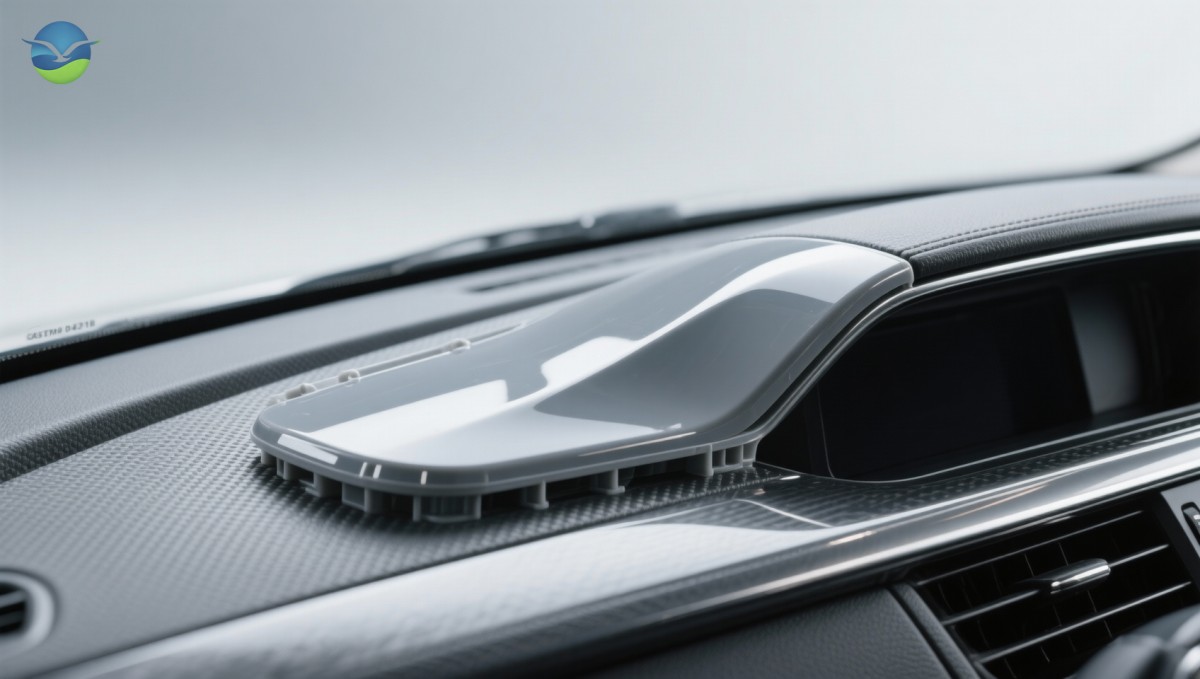
Ultimately, recycled polypropylene *can* meet ASTM D4218—but only when treated as a system property, not a material attribute. Success depends on closed-loop control across feedstock selection, compounding precision, thermal history management, and full-part environmental testing. Assumptions based solely on resin datasheets or generic “automotive-grade PCR” claims carry measurable qualification risk. Rigorous, application-tailored validation remains non-negotiable.
Please give us a message
Send Us Your Inquiry Today
Scalable production and one-stop R&D, manufacturing, sales & after-sales services.