






Vegetable Glycerin Bulk Storage: Preventing Moisture and Contamination
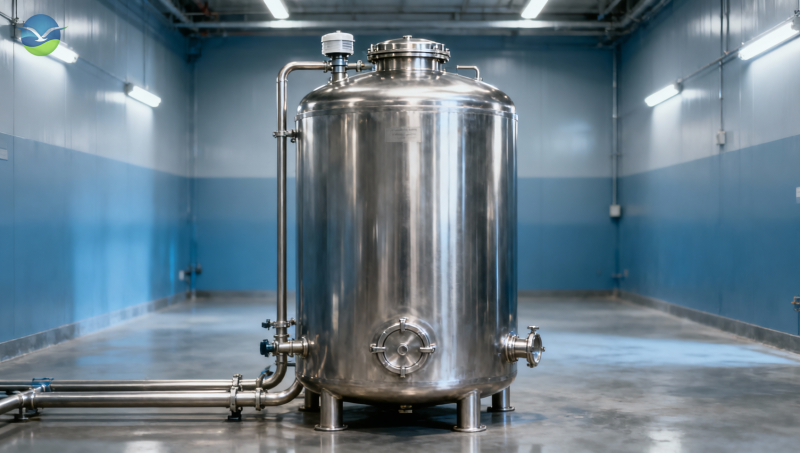
Bulk vegetable glycerin can remain suitable for use only if its water content and cleanliness stay within the limits required by the application. A closed tank helps, but a tank that breathes humid air, receives material through a dirty hose, or contains residue from a previous product can still put a full batch at risk.
The practical starting point is to establish the incoming specification, then protect it through unloading, storage, sampling, and transfer. Operators should pay particular attention to tank breathing and any operation that opens the system. The level of control depends on the product grade, the local environment, the length of storage, and how the glycerin will be used.
Where moisture and contamination enter
Glycerin is hygroscopic: it can take up water from surrounding air. In a bulk tank, exposure occurs most often when the liquid level falls and replacement air enters through a vent. Moisture can also enter through an open hatch, a damaged gasket, a wet transfer line, or residual water after cleaning. The effect depends on the amount and humidity of air entering, the exposed liquid surface, the time involved, and the condition of the system.
Contamination follows many of the same routes. Dust can enter through an unprotected opening; particles can come from deteriorated seals, hoses, or filters; and residues can remain in shared pumps and pipework. A tank may look clean from the outside while a low point in its transfer line holds water or remnants of the previous product.
For vegetable glycerin bulk storage, identify these exposure points before selecting equipment or setting an inspection schedule:
- Tank vents and hatches: How does air enter when material is pumped out, and are openings protected when access is complete?
- Unloading connections: Are hoses capped, dry, clean, and assigned to a compatible service?
- Cleaning and maintenance points: Can rinse water or debris collect in dead legs, valve bodies, or low points?
- Sampling points: Can operators obtain a representative sample without leaving the tank open or introducing foreign material?
- Shared equipment: What was handled previously, and how is the line cleared and verified before glycerin transfer?
These questions matter even when the tank is indoors. A roof protects equipment from rain, but it does not necessarily control the humidity of the air drawn into a tank or prevent contamination during a connection.
Control tank breathing without creating a pressure hazard
A tank should be closed against unnecessary exposure while retaining the pressure and vacuum protection required by its design. Pumping liquid into or out of a vessel changes the air space above it; blocking that movement without an engineered alternative can damage the tank or create a safety hazard. Do not seal a vent simply to reduce moisture pickup.
For a vented tank, a suitable desiccant breather can reduce the moisture entering with replacement air. Its selection should account for airflow, pressure drop, compatibility with the vessel’s venting arrangement, and the conditions at the site. The desiccant must also be inspected and changed according to its condition and the equipment supplier’s instructions. A saturated or obstructed breather should not be treated as effective protection.
Some installations use a dry gas blanket to limit contact between glycerin and ambient air. This requires a properly designed pressure-control and relief arrangement, as well as procedures for gas supply interruptions. Where nitrogen is used, the associated oxygen-deficiency risk must be addressed in the site’s safety procedures. The choice between a breather, a gas blanket, or another arrangement should be made with the tank designer and the quality requirements in mind.
Hatches, covers, level-gauge connections, and unused nozzles also need attention. Check that closures seat properly and that gaskets are intact and compatible with the service. A breather cannot control all incoming air if a damaged hatch seal allows air to bypass it.
Temperature affects both operations and exposure. Glycerin becomes more viscous as it cools, which can slow unloading and pumping. If heating is needed, follow the product supplier’s guidance and the equipment design; avoid uncontrolled hot spots and temperatures that could affect quality. Insulation or controlled heating may also reduce temperature swings, but neither replaces control of moisture entering through the vent.
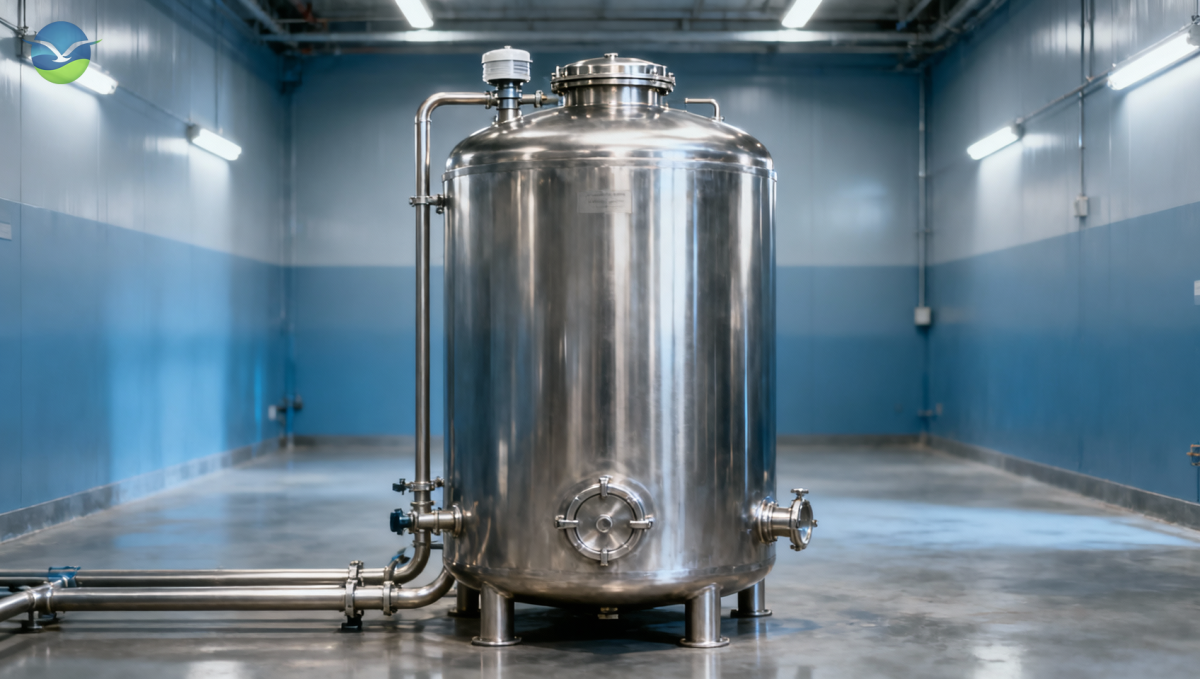
Make receiving and transfer a controlled operation
Many storage problems begin before material reaches the tank. Before unloading, match the delivery to the intended tank and review the accompanying identification and certificate of analysis against the receiving specification. Check seals and visible container or vehicle condition under the site’s receiving procedure. If required checks fail, hold the delivery while the discrepancy is investigated.
Inspect the receiving route as a complete path: tanker outlet, hose, connections, pump, filter if fitted, pipework, and tank inlet. Equipment should be suitable for the glycerin grade and intended use. Food, pharmaceutical, and cosmetic applications may require additional controls for materials of construction, cleaning, traceability, and applicable quality systems; a storage arrangement acceptable for a technical application cannot automatically be assumed suitable for those uses.
Keep hose ends capped between uses and protect them from standing water and floor contact. Before connecting, check for damage, residue, or moisture. After cleaning, allow the system to dry and verify dryness using a method appropriate to the process; draining alone does not guarantee that pockets of water have been removed. Where hoses or pumps are shared, document the previous service and the cleaning or changeover check.
Use a receiving sample when the site’s quality plan calls for one, and take it with clean, dry equipment from the designated point. Avoid returning unused sample material to the tank. If a sample is taken before unloading, define whether the load must remain on hold until results are available. Once suspect material is mixed into a bulk tank, tracing and disposition become more difficult.
Facilities that handle several raw materials should also distinguish liquid-glycerin equipment from packaging and handling routes for solids. For example, EVA Ethylene Vinyl Acetate Polymer Raw Material is supplied as a solid polymer for applications such as films and hot melt adhesives; it is a separate material from glycerin and has different handling needs. Segregating such materials and keeping transfer connections covered helps limit the chance of stray particles entering a liquid system.
Use inspection and testing to detect change early
Start with the limits agreed for the glycerin and its intended use. The incoming certificate provides a reference for the delivered lot, but it does not prove that material will remain unchanged after unloading. A storage monitoring plan should identify which characteristics matter, where samples are taken, how often they are tested, and who can release or hold the material.
Water content is a direct check on moisture control. Depending on the specification and contamination risks, a quality team may also examine appearance, color, odor, or other relevant properties using approved methods. Visual clarity alone is not proof that glycerin meets its water limit or is free of dissolved contamination.
Testing frequency should reflect exposure and consequence. A short storage period in a well-controlled, dedicated system may call for a different schedule from long storage in a humid location or frequent use of shared equipment. Increase scrutiny after events such as a failed breather, an open hatch, an unexpected hose change, cleaning, or a suspected tank leak. Record results by tank and lot so that a gradual shift is visible rather than assessed as isolated numbers.
Routine physical checks can catch problems between laboratory tests. Operators can look for loose closures, damaged gaskets, signs of water around connections, compromised hose caps, filter differential-pressure changes where monitored, and desiccant condition. Findings should lead to a defined action: replace a component, stop a transfer, take a sample, or notify the person responsible for quality.
Plan around tank turnover and residual material
A tank that receives repeated deliveries without being emptied may contain material from several lots. That can complicate traceability and make it harder to identify when a change occurred. Record delivery quantities, dates, source lots, withdrawals, and any mixing or recirculation. Use the site’s stock-rotation rules and establish how long material may remain in storage based on the supplier’s guidance and the applicable specification.
Low turnover also gives small problems more time to matter. A slow ingress path may be difficult to notice during a busy transfer but can affect material held for an extended period. Review the condition of vents and seals before placing a tank into long-term service, and define a check before releasing aged stock.
What to do when stored glycerin may be compromised
If water content exceeds the agreed limit, foreign matter is observed, or the integrity of the system is uncertain, stop using the affected material and place the relevant tank or lot on hold under the site’s procedure. Prevent further transfers until the extent of the issue is understood. Identify connected tanks and lines, recent deliveries, and any batches already supplied from the affected inventory.
Take a representative confirmation sample using clean, dry equipment and an appropriate test method. At the same time, investigate the likely route: check the vent and breather, hatch seals, cleaning records, recent maintenance, transfer hoses, and any shared equipment. A single result should be interpreted alongside sampling conditions and the history of the tank.
Do not add fresh glycerin to bring a suspect tank back within a limit unless an authorized quality procedure specifically permits that action. Mixing can obscure the cause and spread contamination. Decisions about reprocessing, alternative use, return, or disposal depend on the substance involved, the application, and the applicable requirements. Release should follow documented assessment and testing.
The most useful storage record connects the condition of the system with the condition of the material. When operators can see which lot entered a tank, how it was transferred, whether the breather and seals were sound, and how water content changed during storage, they can act before a small exposure becomes a larger inventory problem.
Please give us a message
Send Us Your Inquiry Today
Scalable production and one-stop R&D, manufacturing, sales & after-sales services.