






News Center
How to reduce gel defects in polypropylene plastic pellets
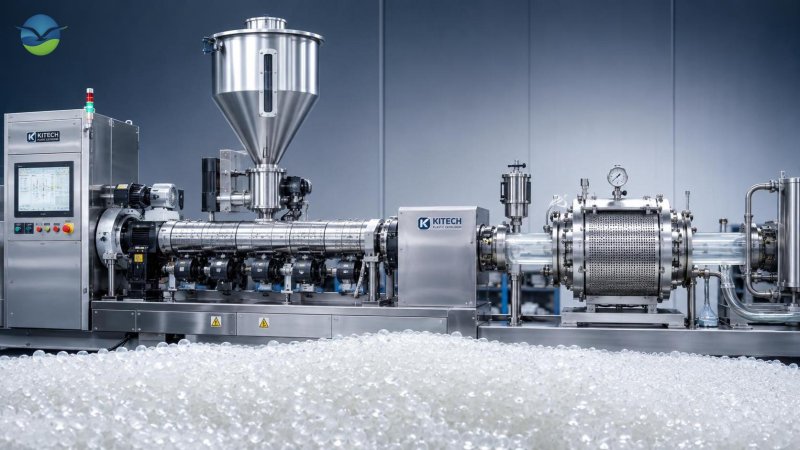
Gel defects in polypropylene plastic pellets are worth treating as a process-control issue, not merely a cosmetic problem. A small number of gels may be tolerable in some thick-wall molded parts, but they can become highly visible in film, sheet, fiber, raffia tape, clear packaging, and thin-wall products. Once the pellets enter extrusion or molding, gels can create surface specks, streaks, weak points, die lines, screen pressure instability, and avoidable rejects.
For operators, the fastest route to lower gel content is to separate the possible causes before changing the whole process. Most gel problems come from one or more of four areas: degraded polypropylene held too long at temperature, unmelted or poorly dispersed material, contamination entering the line, or ineffective filtration. The appearance and distribution of the defect usually provide the first clue.
Start by identifying what the “gel” actually is
Not every visible particle in a polypropylene melt is the same. Some defects are crosslinked or highly degraded PP, some are oxidized material from stagnant zones, some are foreign polymers, and some are filler agglomerates, pigment clusters, paper fibers, metal fines, or dust. Treating all of them as a simple temperature problem often increases degradation instead of solving the defect.
A useful first check is to compare the defect at three points: pellets before processing, material collected at the screen pack, and the final extrudate or molded article. If the pellets already contain visible dark specks or translucent hard particles, the source is likely upstream in compounding, pelletizing, storage, or handling. If the pellet appearance is clean but defects rise during extrusion, focus first on residence time, dead spots, temperature control, and filtration.
Operators should also note whether the defects are clear, yellowish, black, rubbery, hard, or associated with color change. Clear or slightly translucent gels may indicate incompletely melted high-molecular-weight material, recycled fractions with different melt behavior, or crosslinked contamination. Yellow and brown particles often point toward thermal oxidation. Black specks can arise from severely degraded polymer deposits, carbonized residue, or foreign contamination. A microscopic inspection and, where available, laboratory identification can prevent repeated trial-and-error adjustments.
Control residence time before raising melt temperature
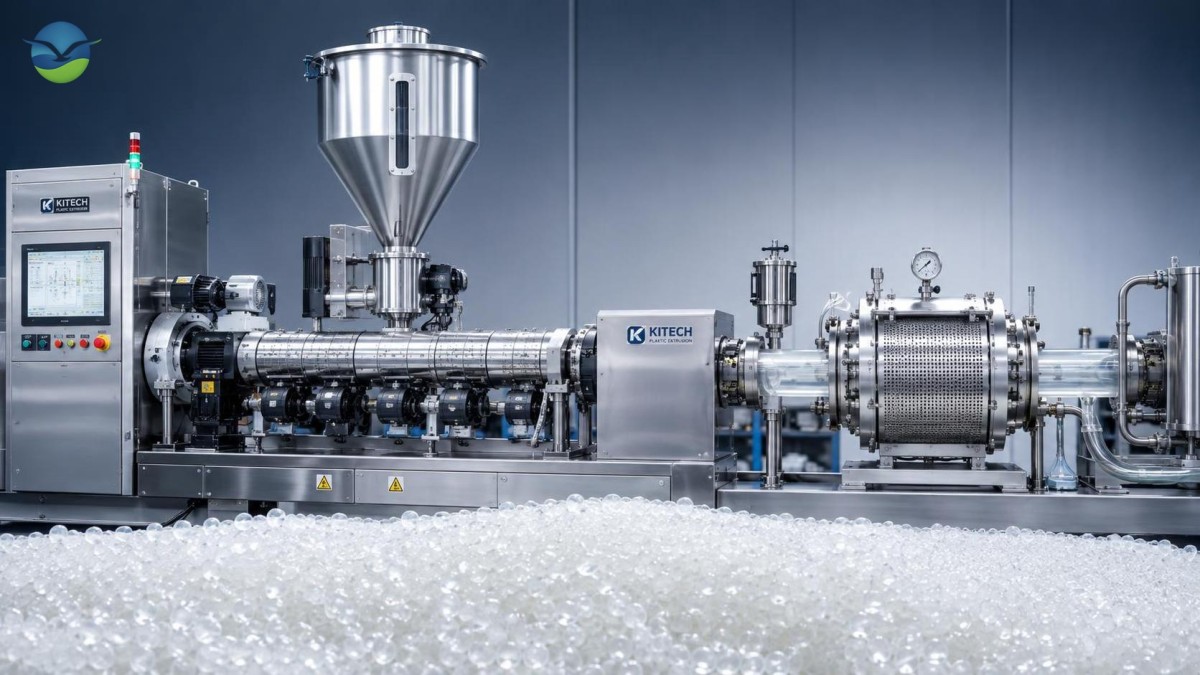
Excessive heat is a common response to poor melt uniformity, but higher barrel temperatures do not automatically eliminate gels. Polypropylene must melt and homogenize adequately, yet prolonged exposure to high temperature and oxygen can promote chain scission, discoloration, deposits, and localized degradation. Material trapped in a low-flow area can remain in the machine much longer than the average residence time shown by throughput calculations.
Check the practical relationship between screw speed, feed rate, melt pressure, and output. Low throughput combined with a high barrel-temperature profile is particularly likely to expose material to unnecessary heat. Frequent starts and stops, long idle periods with heaters on, and oversized equipment running far below its intended capacity can produce the same effect.
When gels increase after a production interruption, do not assume the newly supplied polypropylene plastic pellets are responsible. Purge the system thoroughly, inspect the screen changer and die area, and watch whether the defect count declines after stable running resumes. A gradual improvement after purging usually points to aged material or deposits within the process equipment. A defect level that remains constant from the first stable output is more likely linked to incoming material, blending, or persistent contamination.
Temperature settings should be treated as a profile, not as one number. Feed-zone conditions must support stable solids conveying. Compression and metering sections need enough thermal and mechanical energy for melting and mixing, while the adapter, screen pack, and die should avoid cold zones that permit partial melt to pass through. At the same time, hot spots at heaters, thermocouples, or poorly controlled zones can form degraded deposits. Verify actual melt temperature where possible; barrel setpoints alone do not describe the true thermal history of the polymer.
Remove stagnant material from the process path
Dead zones are a frequent source of recurring gels, particularly after grade changes, color changes, or long production campaigns. Melt can collect at abrupt diameter changes, poorly matched adapters, worn screw tips, damaged check rings, excessive clearances, unfilled channels, and corners around screen packs or die inserts. The trapped polymer experiences repeated heat exposure, then breaks away intermittently as gels or black specks.
Look for a defect pattern rather than only the total count. Random, isolated gels may suggest incoming contamination. Short bursts of many gels, especially after pressure changes or screw-speed adjustments, often indicate deposits releasing from a stagnant area. A cyclical pattern can also be associated with poor feeding, inconsistent regrind addition, or periodic changes in screen pressure.
- Inspect screws, barrels, adapters, melt pipes, and dies at planned maintenance intervals for buildup, wear, and damaged surfaces.
- Use purging procedures that match the previous and next resin systems; incompatible purging materials can create their own defects.
- Avoid leaving polypropylene under heat for extended periods during shutdowns. Follow the equipment supplier's shutdown and restart sequence.
- Confirm that flow channels, screen packs, breaker plates, and die components are assembled correctly and free of old residue.
- Record when defects appear relative to grade changes, line cleaning, screen changes, and production stops.
A clean-looking screw is not always sufficient. Deposits may remain in narrow channels, around die lands, or behind components that are seldom disassembled. If the same gel issue returns soon after a normal purge, a targeted teardown of the downstream melt path may be more productive than repeated temperature changes.
Match filtration to the defect mechanism
Screen packs can remove many solid contaminants and unmelted particles, but they cannot correct every source of gels. A filter can capture external contamination, poorly dispersed pigments, filler clusters, and some crosslinked particles. It cannot reverse polymer that has already degraded in a hot spot, and excessively fine filtration may create pressure instability, shear heating, or frequent screen changes.
The right screen configuration depends on the resin grade, additive package, throughput, and downstream quality requirement. A film or fiber application generally requires tighter control than a thick injection-molded product, but the practical limit is set by melt pressure, screen-change capability, and the risk of overloading the pack. Do not judge filtration only by nominal mesh size. Screen construction, pack sequence, pressure behavior, and the amount and type of retained material matter as well.
Track screen pressure at a consistent melt temperature and throughput. A steadily rising pressure is expected as a screen captures debris. A sudden pressure jump can signal contamination, agglomerates, excessive fines, or a processing upset. Conversely, low and stable pressure does not prove that the melt is clean; soft gels and degraded material may pass through or deform under pressure.
After a screen change, examine retained material instead of discarding it without inspection. A high proportion of black residue points toward degradation or contamination upstream. Fibers, paper fragments, packaging particles, or non-polypropylene material point toward handling and raw-material control. This inspection is often the quickest way to decide whether to investigate the pellet supplier, the blending station, recycled content, or the extruder itself.
Protect the pellets from contamination before they reach the hopper
Even a well-made pellet can become a gel source if it is contaminated during transport, storage, conveying, or blending. Polypropylene is often handled in environments where dust, loose packaging, sweepings, degraded regrind, other polymers, pigments, and additives are present. The downstream extruder then becomes the place where the contamination becomes visible, even though the root cause entered much earlier.
Pay particular attention to grade segregation. A small amount of incompatible polymer may not be obvious in the hopper, but it can remain unmelted or form visible inclusions under the selected PP processing conditions. Recycled material deserves the same discipline. Its melt flow, thermal history, moisture exposure, contamination level, and particle-size consistency should be controlled before it is blended with virgin polypropylene.
Simple housekeeping measures can have a measurable effect on defect consistency:
- Keep pellet transfer lines, hoppers, bins, and vacuum receivers closed and cleaned on a defined schedule.
- Use dedicated or clearly identified containers for different polymer families, colors, and recycled streams.
- Do not introduce floor sweepings or unverified reclaim into quality-sensitive production.
- Inspect bag liners, bulk packaging, and unloading equipment for torn material, dust, and foreign particles.
- Use magnets and suitable metal detection where the handling system and product requirements justify them.
- Control additive dosing and premixing so powders, masterbatch, and regrind are distributed consistently.
Moisture is less central for polypropylene than for hygroscopic engineering polymers, but wet or poorly stored materials can still bring handling problems, bridging, contamination, and unstable feeding. If additives, fillers, or recycled fractions are part of the formulation, assess the whole blend rather than assuming the PP base resin alone explains the gel level.
Review pellet quality with the intended conversion process in mind
A resin that performs acceptably in one application can still show objectionable gels in another. Thick, opaque molded parts may hide a small number of inclusions that would be unacceptable in a thin cast film or a pale-colored sheet. The right acceptance standard should therefore reflect the end use, processing equipment, color, wall thickness, and inspection method.
When evaluating polypropylene plastic pellets, do not rely on appearance or melt flow information alone. Ask whether the material has consistent lot control, appropriate contamination management, and documentation that allows traceability when a defect appears. Compare retained samples from a known-good lot and a problem lot under the same processing conditions. This is more useful than changing several variables at once and losing the ability to identify the cause.
For a complaint or internal investigation, retain representative samples from the incoming bag or bulk load, the hopper, the extruder purge, the used screen pack, and the finished product. Label them by date, line, resin lot, color batch, screen configuration, and operating condition. That record turns a recurring gel problem from a subjective visual discussion into a controlled process investigation.
Use a controlled troubleshooting sequence
When gel defects are already affecting output, avoid changing feed rate, temperature, screw speed, back pressure, screen pack, and raw material at the same time. The line may improve temporarily, but the cause remains unknown and the defect can return on the next campaign.
A more reliable sequence is to stabilize throughput and temperature first, verify the actual melt condition, then check screen pressure and inspect captured residue. Next, isolate the raw-material path by running a retained reference sample or a clean verified lot under the same settings. If the defect remains, inspect stagnant zones and contamination points in the equipment. If it disappears, review the affected lot, blending practice, packaging, and storage conditions.
The most effective gel-reduction programs are usually built around repeatability: stable thermal history, clean material handling, filtration suited to the application, and records that connect defects to lot and process conditions. Once those controls are in place, operators can distinguish a resin-quality issue from an equipment or handling issue quickly, reduce unnecessary downtime, and keep the final polypropylene product within the visual standard its end use demands.
Please give us a message
Send Us Your Inquiry Today
Scalable production and one-stop R&D, manufacturing, sales & after-sales services.