






How a plastic resin export supplier supports consistent batch quality
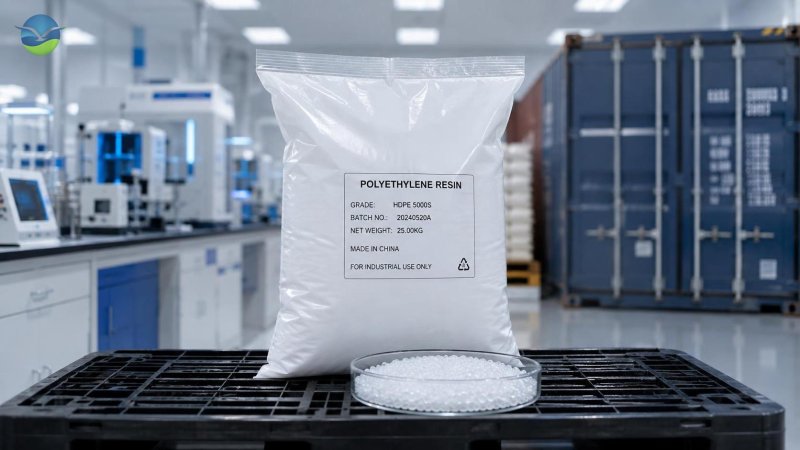
A resin shipment can appear acceptable at receiving inspection yet still create problems once it reaches compounding, molding, coating, or extrusion. A small shift in melt behavior, moisture condition, additive balance, particle consistency, or packaging integrity may lead to processing adjustments, inconsistent finished parts, more scrap, or an unexpected safety review. The risk is higher when the approved sample, the production batch, and the export documents are handled as separate events rather than as one controlled supply process.
A reliable plastic resin export supplier supports consistent batch quality by linking production control, lot-specific testing, document accuracy, sample management, and shipment coordination. The practical question is not simply whether a supplier can provide a COA. It is whether the supplier can show how the material tested, how that result relates to the shipped lot, who controls the production process, and how deviations are communicated before the cargo is loaded.
Where batch inconsistency usually becomes visible
Quality variation is rarely noticed at the same point by every buyer. A receiving team may first identify a problem through damaged bags, unclear lot numbers, or a COA that does not match the purchase specification. Process engineers may see it later as unstable throughput, changes in flow, unusual odor, color variation, reduced surface quality, or adjustments needed to maintain normal machine settings. Safety teams may be affected when the MSDS is delayed, incomplete, inconsistent with the product description, or unavailable before internal handling procedures are established.
These issues do not always mean the base resin itself is defective. In some cases, the specification was too broad, the approved sample was never formally tied to the production standard, the export documents were prepared without a final lot review, or moisture-sensitive material was exposed during storage or transport. The useful response is to identify which control point failed rather than treating every inconsistency as a generic supplier problem.
A source manufacturer with direct process oversight is generally better positioned to answer this question than a trading chain that must request information from several parties. Qixiang Chemical operates a standardized production base in Shandong, where raw material handling, modified granulation, anti-corrosion coating reaction work, product formation, and final laboratory inspection are managed within its own facility. This arrangement can make the production-to-document connection clearer when buyers need to verify a specific shipment.
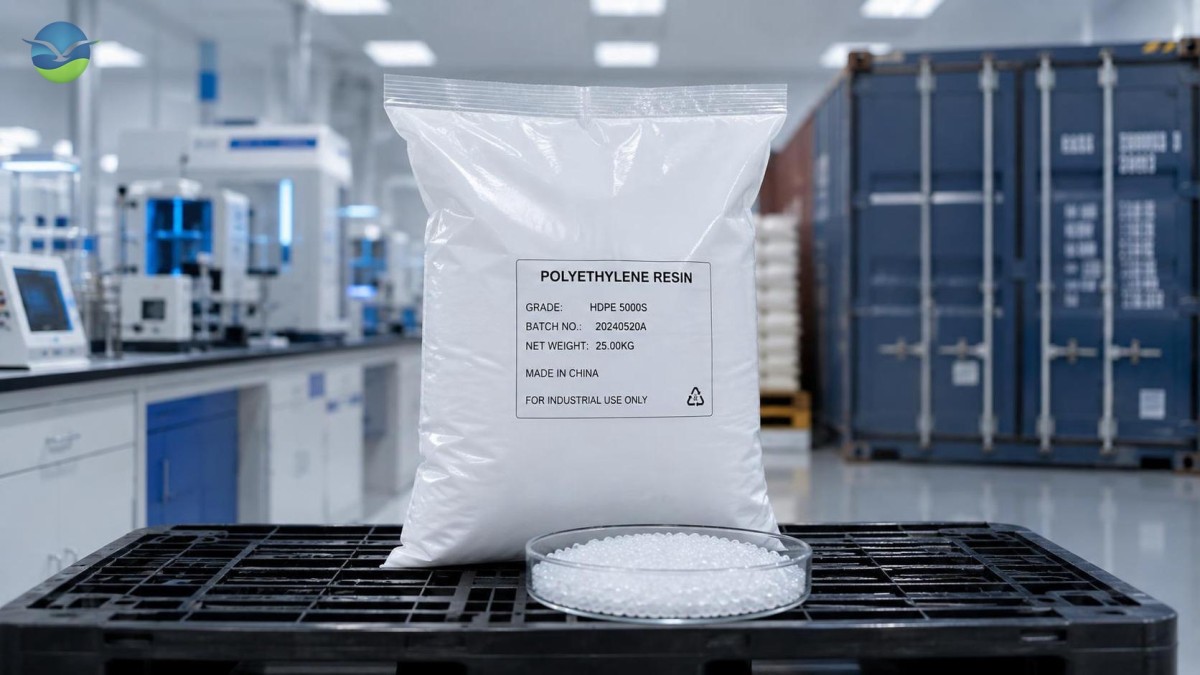
Start with an approval standard that can be repeated
The first defense against variable batches is a purchasing specification that can be used by both parties without interpretation gaps. A product name alone is not enough. Resin grades with similar commercial descriptions may differ in the properties that matter most to a particular process. The buyer should define the properties that are critical to release, the preferred test basis where relevant, the acceptable range or target, and the information required on each shipment document.
The right set of controls depends on the resin and application, but it often includes material identity, appearance, color where applicable, relevant flow or viscosity behavior, moisture condition, particle or pellet form, density, ash or impurity-related indicators, and additive-related requirements. For a modified material, the specification may also need to state whether a particular functional component, coating feature, filler level, or performance characteristic is required. Where the final use has special handling concerns, the buyer should align internal safety requirements with the MSDS before the first commercial delivery.
It is important to separate three categories of requirements:
- Release-critical properties: values or conditions that determine whether a lot can be accepted for the intended process.
- Reference properties: useful descriptive data that help compare lots but may not justify rejection on their own.
- Administrative controls: lot number format, COA content, packaging labels, document timing, sample retention expectations, and notification procedures.
This distinction avoids a common mistake: asking for extensive technical data but never stating which data actually control acceptance. When a later result differs from the expected value, both sides then have difficulty determining whether it is a normal variation, a test-method difference, or a nonconforming shipment.
Use the sample stage to establish a production reference
Samples are often treated as a sales step, but for quality control they should serve as the beginning of a documented reference. Before approving a sample, record its grade, batch identification where available, observed appearance, key test results, processing observations, and any conditions used during evaluation. If a process trial requires drying, blending, temperature adjustment, or specific equipment settings, those conditions should also be noted. A sample result has limited value if the production team cannot later distinguish material variation from changes in the buyer’s own processing conditions.
For a small-batch order, it is reasonable to confirm whether the material will be produced under the same defined formulation and process controls intended for larger supply. For a full-container order, the buyer should also ask whether one lot or multiple lots will be loaded, how each lot will be identified, and whether separate COAs will be supplied if more than one lot is included.
Sample coordination becomes more reliable when the export contact can move information quickly between the buyer and the factory. Qixiang Chemical’s Wuxi foreign trade team handles sample delivery, technical communication, quotation support, documentation, and order follow-up, while the Shandong facility manages manufacturing and testing. This division can be useful when a buyer needs a sample request, a qualification document question, and a production clarification addressed without confusing commercial communication with factory control.
A COA is useful only when it is tied to the shipment
A certificate of analysis should be treated as a lot-control document, not a generic product brochure. Before dispatch, review whether the product name, grade, batch or lot number, test items, results, units, and date are consistent with the purchase requirements. The packaging label and shipping documents should allow the receiving team to connect physical bags, pallets, or containers to the same lot information shown on the COA.
The following questions help determine whether a COA can support a meaningful receiving decision:
- Does the COA identify the actual lot being shipped rather than only the product family?
- Are the listed tests relevant to the agreed release criteria?
- Are units, stated limits, and result formats clear enough for internal review?
- Where multiple lots are shipped, can each lot be matched to its own result set?
- Is the COA available early enough for the buyer to prepare receiving and release procedures?
A COA cannot replace the buyer’s incoming inspection plan. It provides traceability and a supplier-side release record, while receiving checks confirm that the delivered material remains identifiable and suitable after transportation. The best approach is to compare the supplier’s lot data with incoming observations instead of treating either source as complete on its own.
Do not confuse a technical data sheet with a batch certificate
A technical data sheet normally describes typical or nominal product characteristics. It is useful during initial selection but does not prove the results of a particular shipment. An MSDS explains hazard-related handling information and should be reviewed before storage, transfer, or processing. A COA reports the test status of a specific lot. These documents answer different questions, and missing one cannot be corrected by providing more detail in another.
For safety-sensitive internal procedures, confirm that the product identity on the MSDS matches the ordered material description and that the document is received in time for hazard communication, storage planning, and employee instruction. Where the buyer has site-specific chemical controls, the supplier should be asked to provide the relevant documentation before shipment rather than after the material arrives at the dock.
Traceability should survive loading, transit, and receiving
Even a properly tested batch becomes difficult to manage if traceability is lost between the factory and the warehouse. Bag labels, pallet labels, packing records, container references, and commercial documents do not need to contain every piece of technical information, but they should preserve a workable connection to the production lot. This matters especially when material is stored for a period before use, when several containers arrive together, or when a quality investigation begins after part of the lot has already entered production.
At minimum, receiving personnel should be able to answer: Which lot was received? Where is it stored? Which COA applies? Has the packaging condition been checked? Has the lot been released, held, or sampled? If these answers require searching through email chains or manually reconciling unrelated labels, the supply process is carrying avoidable risk.
Packaging condition deserves separate attention. Resin that is sensitive to moisture, contamination, or physical damage can be affected by torn bags, failed seals, poor pallet stability, or unsuitable storage after arrival. A receiving check should record visible damage, water exposure indicators where relevant, count discrepancies, label readability, and whether mixed lots are present. A clear photo record can be helpful when a discrepancy needs to be reviewed with the exporter and factory.
Control the handoff between foreign trade operations and production
Export supply introduces a second layer of variation risk: information can be correct at the plant but incomplete in the export workflow, or commercial changes can be agreed with a buyer but not accurately reflected in the factory release instruction. This is why the communication path matters as much as the laboratory result.
The Wuxi operations center can coordinate inquiries, video factory visits, sample arrangements, quotations, logistics communication, and after-sales documentation for overseas buyers. The Shandong manufacturing base provides production capacity, raw material storage, processing lines, and laboratory testing. For a purchaser, the key is not the geographic separation itself; it is whether responsibilities are defined. Commercial requests should be transferred to production in a controlled form, and production results should be returned to the buyer with the correct grade and lot reference.
Manage deviations before they become production losses
No supplier can eliminate every possibility of variation, particularly where resin behavior is affected by storage, processing conditions, or downstream formulations. What separates a controllable event from a costly one is the speed and quality of the response. When an incoming lot appears different, place it on hold where appropriate, preserve packaging and label evidence, compare the COA to the purchase specification, and document the issue in terms that can be investigated: lot number, observed condition, test method, sample location, and processing effect.
A vague report such as “material is not stable” is difficult to act on. A more useful report identifies whether the concern relates to visual appearance, moisture, flow behavior, contamination, odor, packaging, labeling, or a mismatch in documentation. It should also distinguish an internal test result from a production observation. This does not assign fault prematurely; it creates a traceable starting point for review.
Retained samples can be valuable when both parties need to compare source material and received material, but the sampling method must be representative. For multi-bag or multi-pallet deliveries, a single bag may not describe the entire shipment. Where a lot is suspected of variation, avoid mixing it with other lots before the investigation is complete.
Choosing an export supplier on quality-control terms
Price and container availability matter, but they should be evaluated alongside the supplier’s ability to maintain the same control logic from sample through commercial delivery. A lower quoted material cost can become less meaningful if the buyer must spend excessive time reconciling documents, chasing lot information, or isolating unexplained batches. Shandong’s chemical manufacturing base can support scalable production and cost control, while Wuxi’s foreign trade infrastructure supports overseas communication and shipment coordination. The operational value comes from using both functions without losing traceability between them.
Before placing a larger order, ask the supplier to walk through the actual sequence: sample request, specification confirmation, production scheduling, lot testing, COA preparation, MSDS provision, packing identification, loading coordination, and post-shipment response. The answer should be specific enough that quality and safety teams can identify who provides each record and when it will be available. That level of clarity is often a stronger indicator of consistent batch support than broad assurances about product quality.
For repeat purchases, maintain a simple lot history that links purchase order, received lot, COA, incoming inspection status, processing observations, and any deviations. Over time, this record helps distinguish a true material shift from normal process noise and gives the buyer a factual basis for discussing tighter controls when needed. A plastic resin export supplier becomes easier to manage when every shipment can be traced back to a defined production lot, a defined release record, and a defined communication path.
Please give us a message
Send Us Your Inquiry Today
Scalable production and one-stop R&D, manufacturing, sales & after-sales services.