





Endotoxin testing and sterility requirements for cosmetic grade sodium hyaluronate
Ensuring the safety and compliance of cosmetic formulations requires rigorous quality control, especially when sourcing premium ingredients like cosmetic grade sodium hyaluronate. For QC and safety management professionals, understanding the critical endotoxin testing and sterility requirements is essential to prevent contamination and guarantee consumer safety. This article explores the stringent standards and advanced manufacturing protocols necessary to deliver high-purity, sterile solutions directly from our standardized production base, ensuring your products meet the highest global regulatory benchmarks.
The Hidden Risks of Endotoxins in Hyaluronic Acid Formulations
When formulating high-end skincare or injectable-grade cosmetics, bacterial endotoxins are often the silent culprit behind product recalls and consumer complaints. Unlike live bacteria, endotoxins are structural components of the outer membrane of Gram-negative bacteria. They remain active even after the bacteria are killed by heat or preservatives. If cosmetic grade sodium hyaluronate carries high endotoxin loads, it can trigger severe inflammatory responses, redness, and sensitization in end-users.
For quality control teams, relying solely on standard microbial limit tests is a dangerous trap. A batch might pass the Total Aerobic Microbial Count (TAMC) with flying colors but still fail the Bacterial Endotoxin Test (BET). The Limulus Amebocyte Lysate (LAL) assay, or its modern alternatives like recombinant Factor C (rFC), is the non-negotiable standard here. Typically, premium cosmetic grades require endotoxin levels to be strictly controlled below 0.05 EU/mg or even 0.01 EU/mg, depending on the final application.
Navigating Testing Interferences
In our daily technical exchanges with global QC managers, we often see batches failing not because of actual contamination, but due to testing errors. Sodium hyaluronate is highly viscous. If the sample is not completely dissolved or if the dilution factor is miscalculated, the viscosity can inhibit the LAL reaction, leading to false-negative or highly skewed results. Proper sample preparation, including adequate vortexing, controlled heating, and precise dilution to overcome ionic interference, is just as critical as the testing equipment itself.
Sterility vs. Microbial Limits: Knowing the Difference
It is a common misconception in the supply chain to treat microbial limits and sterility as interchangeable. Standard cosmetic grade sodium hyaluronate usually adheres to microbial limits (e.g., TAMC < 100 CFU/g, Yeast and Mold < 100 CFU/g, and absence of specific pathogens like P. aeruginosa and S. aureus). However, when the ingredient is destined for preservative-free formulations, post-procedure skincare, or products applied to compromised skin barriers, true sterility is required.
Achieving a Sterility Assurance Level (SAL) of 10^-6 means the probability of a single viable microorganism being present is one in a million. This cannot be achieved merely by adding preservatives at the end of the line. It demands a fundamental shift in how the raw material is manufactured, processed, and packaged.
Manufacturing Controls: The First Line of Defense
You cannot test quality into a product; it must be built into it from the ground up. This is where the physical manufacturing environment becomes the most critical variable. Backed by the stability of a state-owned chemical enterprise, our source production base in Shandong operates a 10,000-square-meter standardized facility designed specifically to mitigate contamination risks.
The facility houses complete modified granulation production lines and anti-corrosion coating reaction workshops. But more importantly for QC professionals, the entire environment is strictly controlled. Raw material storage, blending, and final product formation occur in cleanroom-classified zones with HEPA filtration and strict personnel gowning protocols. By fully self-managing the process from fermentation and extraction to purification and drying, we eliminate the cross-contamination risks often associated with outsourced or multi-site processing.
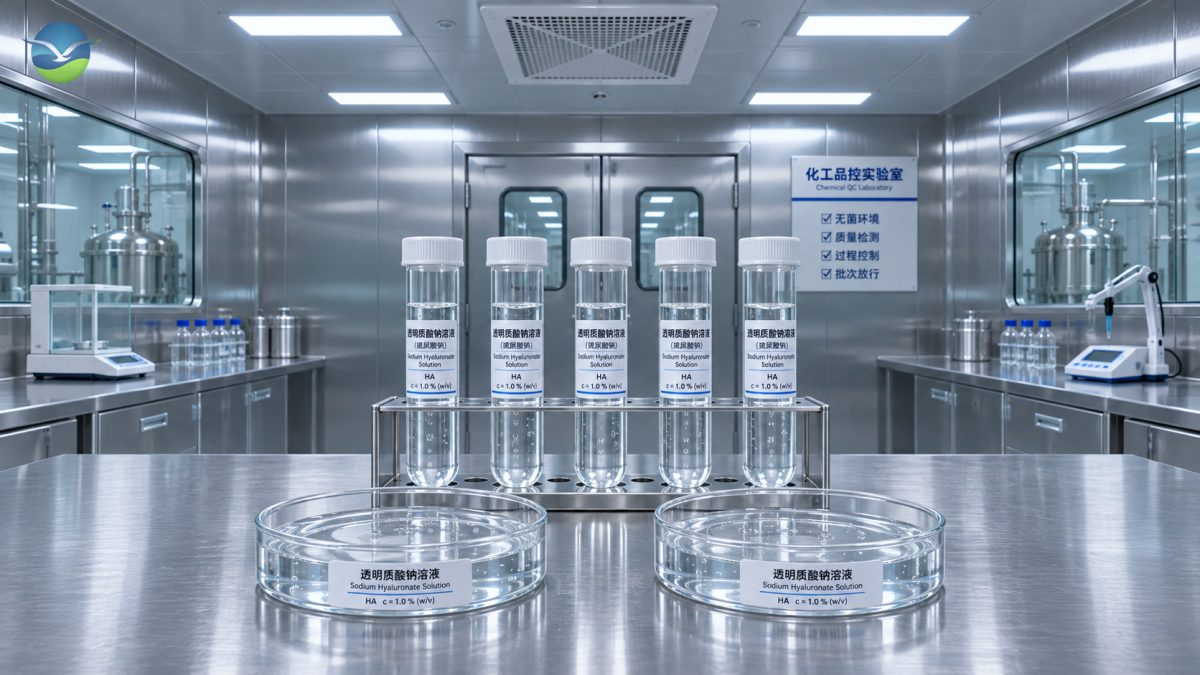
Every batch undergoes rigorous testing in our on-site quality inspection laboratories before release. This integrated approach ensures that low endotoxin levels and strict sterility are consistent outcomes of the manufacturing process, not just lucky draws in final sampling.
Bridging Quality Assurance with Global Supply Chain Realities
Having a perfect batch is only half the battle; proving it to your regulatory and QC teams across different time zones is the other. Delays in documentation can halt production lines and delay product launches.
This is why we operate a dual-location supporting layout. While the heavy lifting of manufacturing and primary testing happens in Shandong, our Wuxi Foreign Trade Operations Center acts as the customer engagement headquarters. Located in the core commercial district of Wuxi, our specialized teams handle the entire documentation process. When your QC department needs a revised Certificate of Analysis (COA) with specific endotoxin testing parameters, or requires an updated Material Safety Data Sheet (MSDS) for a local regulatory submission, the Wuxi team addresses it promptly. This 24/7 operational model ensures that time zone differences never become a bottleneck for quality compliance.
Practical Takeaways for QC and Safety Teams
When evaluating suppliers for cosmetic grade sodium hyaluronate, looking at the price per kilogram is insufficient. The true cost lies in the risk of contamination and the rigor of the supplier's quality system. Here are a few practical checkpoints for your next supplier audit or sample evaluation:
First, scrutinize the COA. Do not just look for a "Pass" mark on endotoxins. Check the actual quantitative result, the testing method used (e.g., gel clot, turbidimetric, or chromogenic), and the dilution factor. If the supplier cannot provide this level of detail, their testing protocol might lack the necessary precision.
Second, ask about their environmental controls. If you require low-endotoxin or sterile grades, ask the supplier to explain how they control Gram-negative bacteria during the fermentation and drying stages. A supplier who only talks about final irradiation or filtration might not have control over the initial bioburden.
Finally, evaluate their responsiveness. Request a sample and see how the COA, MSDS, and technical data sheets are delivered. A supplier with a dedicated, localized foreign trade team—like our Wuxi operations center—will provide clear, accurate, and timely documentation, saving your QA team countless hours of follow-up.
Navigating the complexities of endotoxin and sterility in hyaluronic acid requires a partnership with a manufacturer who understands the science, not just the sales pitch. By combining controlled, self-managed production in Shandong with agile, responsive technical support from Wuxi, we ensure that your formulations remain safe, compliant, and ready for the global market.
Please give us a message
Send Us Your Inquiry Today
Scalable production and one-stop R&D, manufacturing, sales & after-sales services.