






How to Evaluate Lab Samples from an Industrial Chemical Sample Manufacturer?
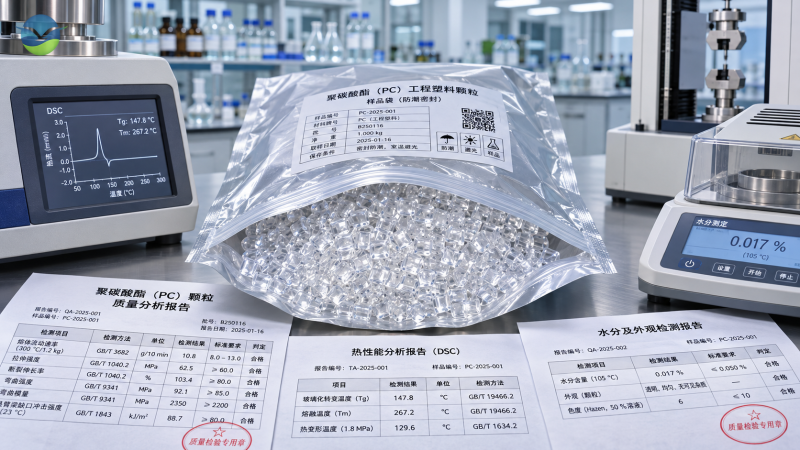
Evaluating lab samples from an industrial chemical sample manufacturer extends far beyond running basic physicochemical tests. For procurement professionals, a passing lab result is merely the entry ticket; the true objective is to verify the supplier's mass production consistency, quality assurance systems, and supply chain reliability. The gap between a meticulously prepared lab sample and a commercial batch is where most procurement risks originate. Understanding how to systematically assess both the sample itself and the manufacturer behind it is critical for making informed sourcing decisions and avoiding costly production disruptions.
Assessing Scale-Up Consistency and Batch Stability
The most common pitfall in chemical procurement is assuming that lab sample performance directly translates to mass production. Lab samples are often produced under highly controlled, optimized conditions using selectively graded raw materials. When a manufacturer scales up to commercial production, variations in reactor mixing efficiency, temperature gradients, and raw material batch differences can alter the final product's properties.
To mitigate this risk, procurement teams should not rely solely on a single lab sample. Requesting a pilot batch sample—a small-scale production run that mimics commercial conditions—provides a much more realistic representation of the manufacturer's capabilities. When evaluating the data, focus on the tolerance ranges rather than just the target values. For high-performance materials like PC Polycarbonate Engineering Plastic Raw Material, minor fluctuations in molecular weight distribution, viscosity, or residual monomer levels might not affect a small lab sample but can severely impact injection molding or extrusion processes at scale. Evaluating the manufacturer's process control parameters, such as reaction time, temperature profiles, and purification steps, provides deeper insight into their ability to maintain tight tolerances during mass production. If a supplier cannot explain how they control these variables during scale-up, their process maturity is questionable.
Verifying Sample Integrity and Handling Protocols
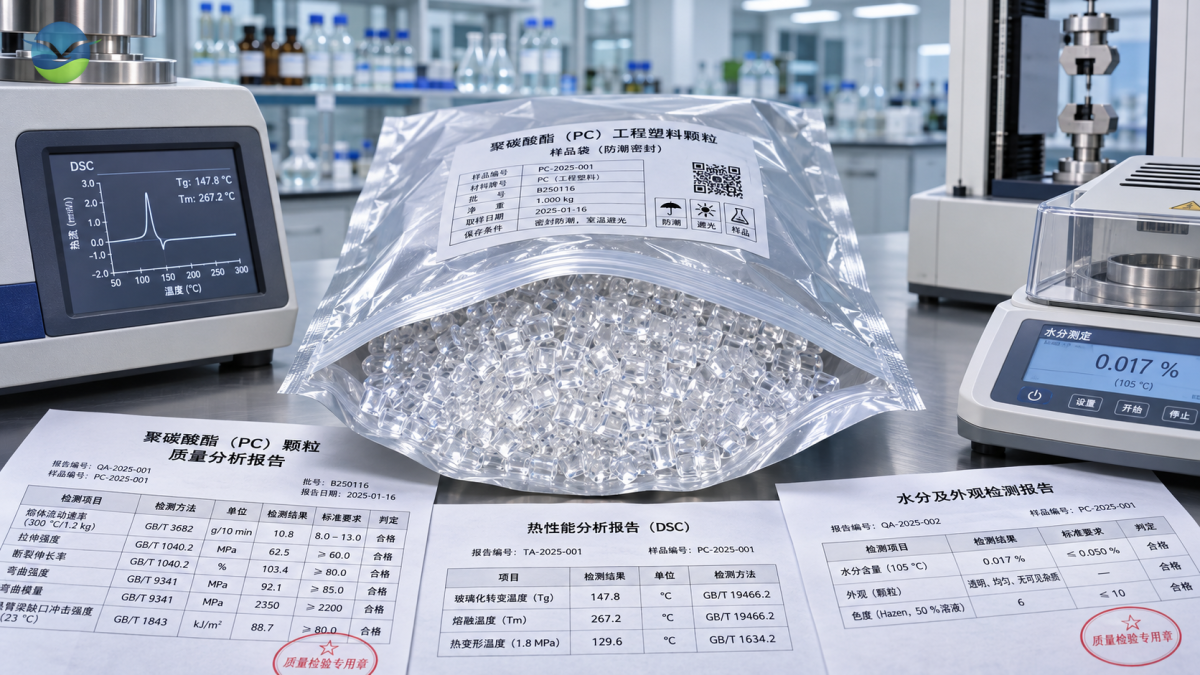
A critical but often overlooked aspect of sample evaluation is verifying that the sample received is identical to the sample tested by the manufacturer. Chemical materials are sensitive to environmental conditions during transit. Moisture absorption, thermal degradation, or contamination can occur if the sample is not packaged and shipped correctly.
When the sample arrives, inspect the packaging integrity immediately. Check for broken seals, moisture indicators, or damaged containers. For hygroscopic materials, verify that the manufacturer used proper moisture-barrier packaging and desiccants. If the physical appearance of the sample—such as pellet color, uniformity, or presence of fines—deviates from the manufacturer's description, do not proceed with testing until the discrepancy is resolved. A manufacturer that fails to protect a small sample during international transit will likely face similar issues with commercial shipments. Evaluating their packaging standards and shipping protocols for samples provides a clear window into their overall logistics competence.
Scrutinizing Quality Documentation and Regulatory Compliance
A reliable industrial chemical sample manufacturer will provide comprehensive documentation that goes beyond a standard Certificate of Analysis (COA). When reviewing the COA, verify that the testing methods align with international standards such as ISO, ASTM, or regional equivalents, depending on your target market. A COA that only lists "in-house method" without detailing the specific parameters, testing equipment, or calibration standards should raise concerns about transparency and accuracy.
Beyond the COA, the Material Safety Data Sheet (MSDS) and Technical Data Sheet (TDS) must be accurate, region-specific, and up-to-date. More importantly, assess the manufacturer's regulatory compliance. Depending on your industry and destination market, you must verify that the samples meet specific environmental and safety standards, such as REACH, RoHS, or FDA requirements. Requesting third-party testing reports from recognized institutions adds an independent layer of verification.
Furthermore, evaluate the manufacturer's traceability system. Can they link the lab sample back to a specific raw material batch, production date, and equipment line? A robust traceability system indicates that the manufacturer has strict quality management protocols in place, reducing the risk of contamination or off-spec products in future shipments. If the supplier cannot provide clear batch tracking and lot retention policies, their quality control is likely reactive rather than proactive.
Verifying Actual Production and R&D Capabilities
Distinguishing between a true source manufacturer and a trading company is fundamental in chemical sourcing. Trading companies may source lab samples from various factories, making it impossible to guarantee consistency for future orders. A genuine manufacturer with integrated R&D and production facilities controls the entire process from raw material blending to final testing.
When evaluating the supplier, investigate their production infrastructure and technical depth. Do they own their reaction workshops, granulation lines, and quality inspection laboratories? Facilities equipped with automated dosing systems, advanced extrusion lines, and in-line quality monitoring are better positioned to deliver stable outputs. Assess their raw material sourcing strategy as well. Manufacturers that secure long-term contracts with tier-one raw material suppliers or produce key intermediates in-house have a distinct advantage in controlling both cost and quality.
Additionally, consider their R&D capabilities. A manufacturer with a strong technical team can quickly adapt formulations if your application requirements change or if raw material shortages force a substitution. During the evaluation phase, ask technical questions about their formulation flexibility and how they handle raw material variations. Their ability to provide detailed, scientifically sound answers will reveal their true technical competence. This dual control over raw materials and production processes is what ultimately ensures that the commercial batch matches the approved lab sample.
Evaluating Communication Efficiency and Supply Chain Coordination
In cross-border chemical procurement, the manufacturer's operational structure significantly impacts communication efficiency and order execution. A common challenge is the disconnect between a company's sales office and its production base, leading to delayed responses, inaccurate lead times, and poorly handled after-sales issues.
An optimized operational model separates customer engagement from manufacturing while maintaining seamless integration. For instance, a dedicated foreign trade operations center located in a major trade hub can handle inquiries, sample delivery, and documentation around the clock without time zone delays, while the source production base focuses entirely on manufacturing and quality control. This division of labor ensures that procurement professionals receive prompt technical support, accurate quotations, and efficient logistics coordination.
When evaluating a supplier, test their responsiveness during the sampling phase. How quickly do they provide technical clarifications? How accurately do they estimate sample delivery times and handle customs documentation for chemical shipments? The efficiency demonstrated during the sampling stage is a strong indicator of how they will handle large-scale orders, manage FOB container exports, and resolve potential supply chain disruptions. A supplier that struggles to deliver a few kilograms of sample efficiently will likely fail to coordinate a complex multi-container shipment.
Establishing Rigorous Internal Testing and Cost Analysis
Relying solely on the manufacturer's data is insufficient. Procurement teams must establish rigorous internal testing protocols to validate the lab samples against their specific application requirements. This involves defining acceptable tolerance ranges for critical parameters and testing the material under actual processing conditions, not just ideal laboratory settings.
Conduct blind tests comparing the supplier's sample against your current benchmark or competitor products. For engineering plastics and modified materials, this means running trial batches on your production lines to assess melt flow stability, color consistency, and mechanical properties after processing. Do not skip accelerated aging tests, environmental stress cracking resistance, or thermal stability evaluations if your end-product will be exposed to harsh conditions.
Beyond technical validation, evaluate the total cost-in-use. A sample might have a lower unit price but require longer cycle times, higher processing temperatures, or result in higher scrap rates during manufacturing. Calculate the comprehensive economic impact of the sample on your production line. Document any deviations and feed this data back to the manufacturer. A capable supplier will use this feedback to adjust their formulation or process parameters, demonstrating their technical flexibility and commitment to meeting your exact specifications.
Making the Final Sourcing Decision
The evaluation of lab samples is a multi-dimensional process that balances technical validation with supply chain risk assessment. A sample that passes all laboratory tests but comes from a manufacturer with poor batch consistency, weak documentation, or inefficient communication is a high-risk choice that can lead to severe downstream consequences.
Procurement professionals should build a comprehensive scoring matrix that weighs technical performance, quality assurance capabilities, production infrastructure, and operational efficiency. By looking beyond the initial lab results and deeply evaluating the manufacturer's systemic capabilities, you can establish a reliable supply chain that minimizes production disruptions, ensures product quality, and supports long-term business stability. The ultimate goal is not just to find a supplier who can provide a good sample, but to partner with a manufacturer who can consistently deliver that same quality in every commercial shipment, securing your production line against the inherent volatility of the global chemical market.
Please give us a message
Send Us Your Inquiry Today
Scalable production and one-stop R&D, manufacturing, sales & after-sales services.