





How to Choose the Right Industrial Chemical Solvent Supplier for Your Plant?
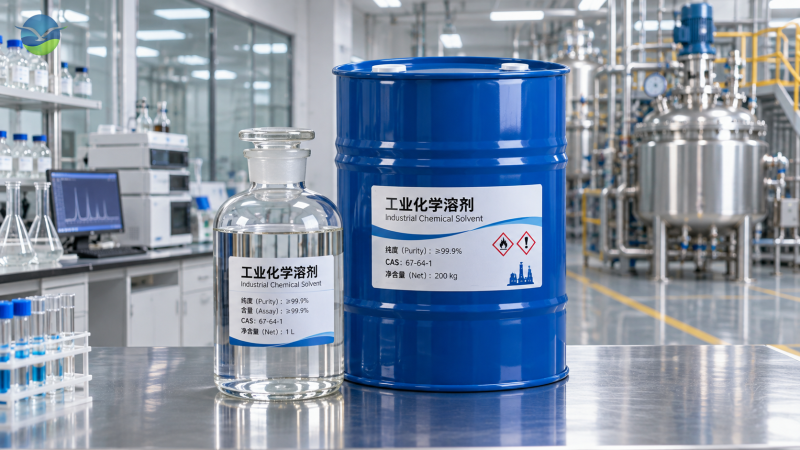
Selecting the right industrial chemical solvent supplier is crucial for optimizing your plant operations and controlling procurement costs. As a purchasing professional, you know that the real challenge isn't just finding a vendor; it's finding a reliable partner who combines robust manufacturing capacity with seamless global communication. Whether you require small batch samples or large volume container exports, finding a direct manufacturer that offers competitive pricing, strict quality assurance, and responsive service will significantly streamline your supply chain. This comprehensive guide will walk you through the essential criteria to evaluate potential partners, ensuring you make the most strategic and profitable choice for your specific production requirements.
Beyond the Price Tag: The Hidden Costs of Supply Chain Friction
Purchasing managers often face a familiar and frustrating dilemma: the quote that looks perfect on a spreadsheet versus the chaotic reality of delayed shipments and inconsistent batch purity. When you are evaluating an industrial chemical solvent supplier, the initial price tag is merely the tip of the iceberg. The hidden costs of a poorly chosen partner can easily wipe out any initial savings. Think about the financial impact of production line stoppages due to off-spec materials, or the endless email chains across time zones just to clarify a simple MSDS document.
You need to look beyond the immediate cost and assess the operational reality of the company. A truly cost-effective partnership is built on supply chain resilience. When market volatility hits and raw material prices fluctuate, a supplier with deep industry roots and integrated resources will absorb some of the shock, protecting your procurement budget. Conversely, a middleman or a fragmented supplier will simply pass every cost increase directly to you. Evaluating a partner means asking how they manage their own upstream supply chains and whether they have the financial stability to honor long-term pricing agreements.
The Strategic Value of a Dual-Location Operational Model
One of the most critical, yet often overlooked, factors in modern chemical procurement is how a supplier bridges the gap between heavy manufacturing and agile customer service. A growing trend among top-tier manufacturers is the dual-location supporting layout. Why does this geographical separation matter to your daily operations?
Imagine a scenario where the source production base is situated in a major chemical industry cluster, benefiting from low raw material costs, abundant energy, and massive scalable capacity. Meanwhile, the foreign trade operations center is located in a global trade hub with comprehensive cross-border trade infrastructure. This separation of concerns ensures that your commercial needs are met with high efficiency without disrupting the manufacturing floor.
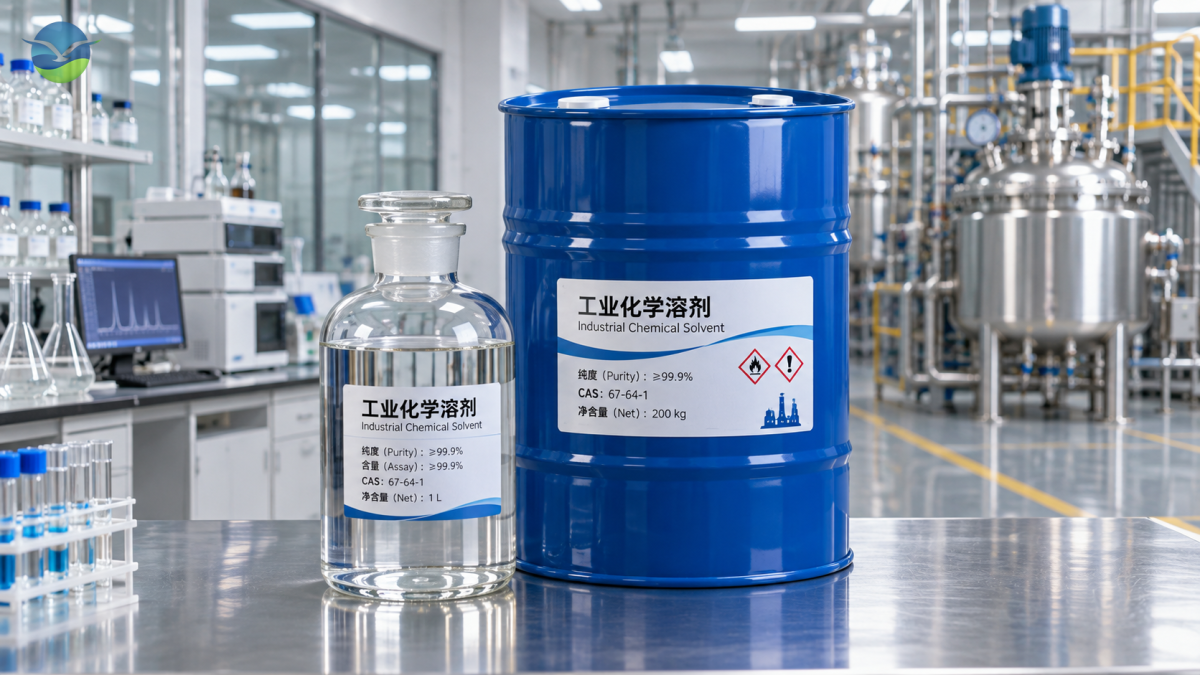
For example, a setup where the manufacturing base handles the heavy lifting of production, while a dedicated team in a city like Wuxi manages 24/7 customer engagement, completely eliminates time zone delays. This means your inquiries, sample deliveries, and logistics coordination are handled promptly by specialized foreign trade teams. The Wuxi team can address communication requests, arrange factory visits via video, and process qualification documents in real-time. This allows the plant engineers in the production base to focus purely on manufacturing efficiency, while you, the buyer, enjoy a seamless, responsive communication experience. It is the perfect synergy of cost-effective sourcing from original manufacturers and world-class service infrastructure.
Uncompromising Quality: In-House Production and Rigorous Testing
Quality assurance in the chemical industry cannot be an afterthought; it must be embedded in every single step of the process. When auditing a potential partner, you must dig deep into their production facilities. Do they own their standardized production facility, or are they outsourcing critical steps? A true direct manufacturer will have complete control over the entire process—from raw material blending and processing to product formation and final testing.
Look for facilities equipped with dedicated quality inspection laboratories, modified granulation production lines, and specialized reaction workshops. The entire workflow should be fully self-managed. Every shipment must be backed by rigorous documentation, including detailed COAs and MSDSs, ensuring stable mass production capacity and product purity.
This level of self-management and strict quality control is especially critical when dealing with sensitive or high-purity products across different chemical categories. While your primary focus might be on bulk solvents, a comprehensive supplier often handles a diverse portfolio of fine chemicals. For instance, when evaluating a partner's capability to handle sensitive, high-purity active ingredients like D-Panthenol Provitamin B5 Cosmetic Raw Material, you must look at their ability to maintain strict storage conditions (such as 2–8°C in a cool, dry place away from light) and provide flawless batch consistency. If a supplier can maintain this level of meticulous care for delicate cosmetic raw materials, you can be confident in their ability to deliver consistent, high-purity industrial solvents for your plant.
From Bench to Bulk: Navigating Scalability and Logistics
Your plant's needs today might be vastly different from what they will be next year. A reliable industrial chemical solvent supplier must demonstrate the flexibility to support both ends of the procurement spectrum. Can they seamlessly provide small-batch samples for your R&D team to test, and then scale up to large-scale FOB container exports without compromising on lead times or quality?
Evaluating their logistics coordination capabilities is just as important as evaluating their reactors and storage tanks. A supplier with integrated one-stop services covering R&D, manufacturing, sales, and after-sales support will have established, robust relationships with freight forwarders. They will possess a deep understanding of cross-border trade infrastructure, particularly if their operations center is located in a key hub like the Yangtze River Delta. This ensures that your goods move smoothly from the factory floor to your plant's receiving dock, regardless of the destination. The ability to leverage regional trade advantages means faster customs clearance, optimized shipping routes, and ultimately, a more predictable delivery timeline for your production schedules.
The Human Element: Responsive Communication and Accountability
Finally, never underestimate the human element in B2B chemical procurement. Chemicals are complex, and issues can occasionally arise despite the best quality controls. How a supplier handles a post-sales issue tells you far more about their reliability than their marketing brochure.
Look for a partner that offers dedicated after-sales service and design support. When problems occur, you need a team that can address them promptly, without passing the blame between the sales office and the factory. A unified team that handles everything from quotation preparation to after-sales issue resolution ensures absolute accountability. You want a partner who views themselves as an extension of your own procurement department, proactive in identifying potential supply chain disruptions before they impact your bottom line. The peace of mind that comes from knowing you have a responsive, 24/7 support team is invaluable in today's fast-paced manufacturing environment.
Making the Strategic Decision
Choosing the right partner is a strategic decision that impacts your plant's efficiency, product quality, and ultimately, your market competitiveness. By focusing on dual-location operational efficiency, in-house quality control, scalable production capabilities, and responsive communication, you can effectively filter out the middlemen and unreliable vendors. Take the time to audit their facilities, test their samples, and evaluate their service mindset. The right industrial chemical solvent supplier won't just sell you chemicals; they will deliver peace of mind, operational stability, and a solid foundation for your long-term growth.
Please give us a message
Send Us Your Inquiry Today
Scalable production and one-stop R&D, manufacturing, sales & after-sales services.