






China LDPE Benchmark Falls 9.92% in November, Opening Procurement Opportunity
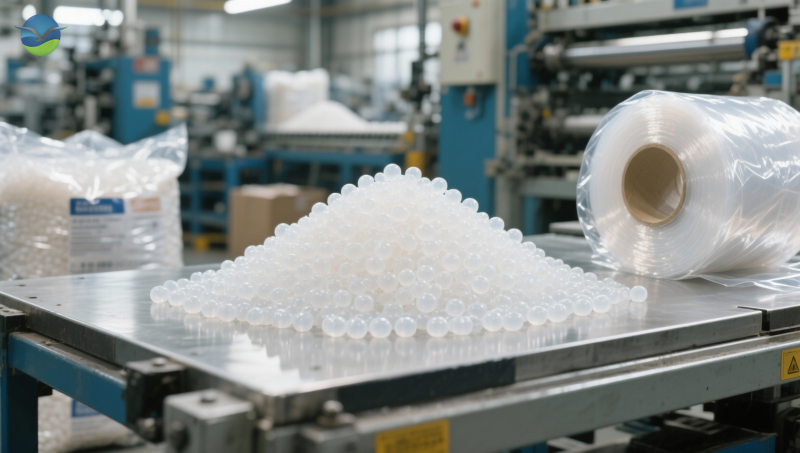
China’s low-density polyethylene (LDPE) benchmark stood at 11,500.00 yuan per tonne on November 18, 2026, down 9.92% from 12,766.67 yuan per tonne at the beginning of the month. The decline points to lower raw material costs for plastic processors and a potential purchasing opportunity for overseas buyers assessing supplies priced against the domestic market.
The benchmark fell by 1,266.67 yuan per tonne over the period. That difference provides a useful starting point for evaluating procurement costs, although an individual buyer’s saving will depend on the price and terms of an actual transaction. The benchmark change alone does not establish that every LDPE grade or supplier quotation has fallen by the same amount.
What the decline means for processors
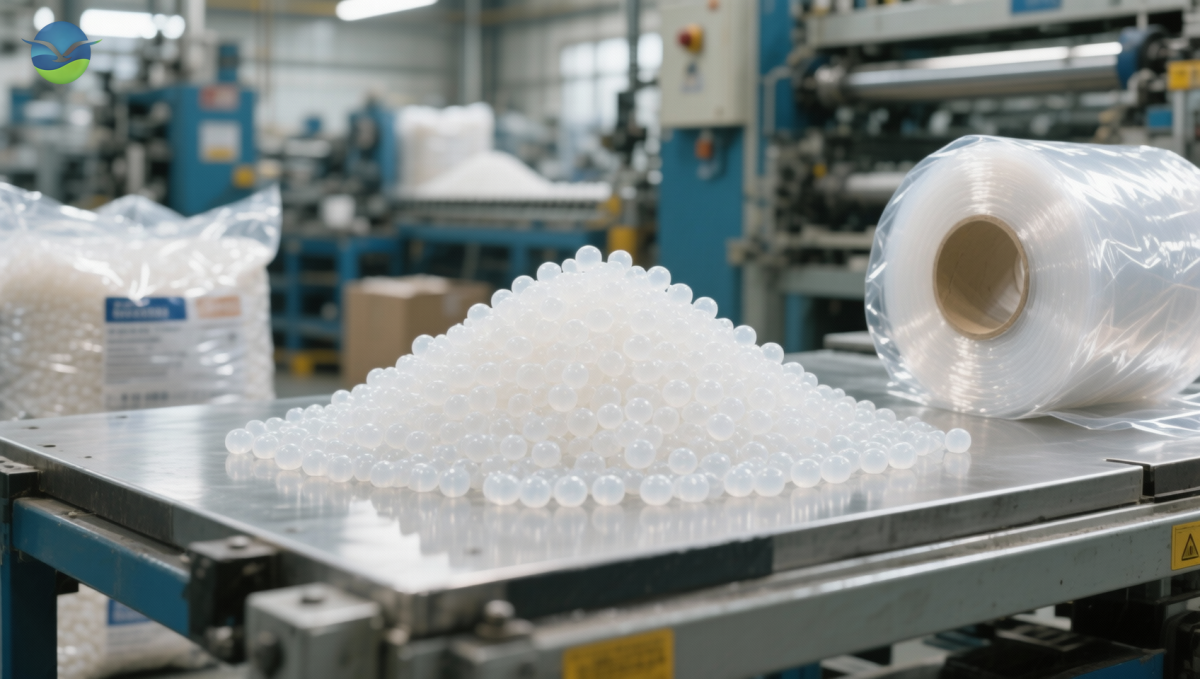
LDPE is used in products including plastic film, packaging materials and coatings. For manufacturers that purchase it as an input, a lower resin price can reduce the material portion of production costs when new purchases reflect the decline. The effect on the cost of finished products will depend on how much LDPE is used and on the prices paid for other inputs.
The timing of purchases also matters. A processor buying material at the lower benchmark level would face a different raw material cost from one using inventory purchased earlier at a higher price. Existing supply agreements may likewise determine when a change in the benchmark is reflected in a buyer’s costs.
Lower input prices do not automatically translate into an equivalent reduction in finished-product prices. The effect depends on each product’s material content and the commercial terms between processors and their customers. The benchmark therefore signals an opportunity to review costs, rather than a precise measure of the savings available throughout the supply chain.
Considerations for overseas buyers
For overseas procurement teams, the month-to-date decline may make it useful to compare current offers with earlier quotations. The relevant comparison is the cost of the specified material under the full terms of the purchase, including delivery and any other charges borne by the buyer. A domestic benchmark provides a reference point, but it is not necessarily the price an overseas customer will pay.
Buyers assessing an offer would also need to consider whether the quoted LDPE meets their intended processing and product requirements. A lower benchmark can improve the economics of a purchase, but the value of an offer still depends on the grade, quantity, delivery arrangements and payment terms agreed with the supplier.
The price movement creates a potential window for purchases at a lower reference level than at the start of November. How long that opportunity lasts will depend on subsequent benchmark movements and supplier quotations. Buyers considering purchases over more than one delivery period may therefore find it useful to follow both the benchmark and the terms available for their particular requirements.
The change establishes the size of the decline through November 18; it does not establish its cause or the direction of the next move. Further price developments, and the extent to which supplier offers reflect them, will determine whether the lower benchmark leads to sustained savings for processors and overseas buyers.
Please give us a message
Send Us Your Inquiry Today
Scalable production and one-stop R&D, manufacturing, sales & after-sales services.